Emergency Dentist in Sanford FL: What to Do Right Away
If you are searching for an emergency dentist in Sanford FL, chances are you are in pain, worried, or both. Take a breath. Knowing what to do in the first few minutes can protect your smile and make your visit far more comfortable. This guide walks you through what counts as a dental emergency, how to handle common situations, and when to head to the ER instead.
Key takeaways
- Knocked-out teeth, severe pain, facial swelling, and uncontrolled bleeding need immediate attention.
- Trouble breathing or swallowing, or swelling of the face or neck, means calling 911 or going to the ER.
- Home care is only a temporary measure; professional care is always the next step.
- Calling ahead helps the team prepare for you. Reach Midway Premier Dental at 407-604-4884.
What Counts as a Dental Emergency?
True emergencies that need immediate care
A true dental emergency involves severe pain, significant bleeding, or a risk to your health or a tooth that can still be saved. Examples include a knocked-out tooth, severe pain that nothing relieves, bleeding that will not stop, facial swelling, and an abscess accompanied by fever.
If you suspect a dental emergency in Sanford, act quickly. Time matters, especially for a knocked-out tooth.
Urgent problems that can wait a day or two
Some issues are uncomfortable but not critical. A minor chip, a lost filling or crown, or mild sensitivity can usually wait a short time for an appointment. Protect the area, avoid chewing on it, and schedule care promptly so the problem does not grow.
When in doubt, call
Not sure which category you are in? Call the office and describe what is happening. If you have swelling of the face or neck, trouble breathing or swallowing, or heavy bleeding that will not stop, skip the phone call and call 911 or go to the nearest ER.
| Situation | Typical urgency | First step |
|---|---|---|
| Knocked-out tooth | Immediate | Handle by the crown, call a dentist right away |
| Severe, uncontrolled pain | Immediate | Call a dentist now |
| Abscess with fever or facial swelling | Immediate | Call a dentist; go to the ER if swelling spreads or breathing is affected |
| Minor chip | Urgent, can wait a day or two | Avoid chewing on it and book a visit |
| Lost filling or crown | Urgent, can wait a day or two | Save the crown, protect the tooth, book a visit |
| Mild sensitivity | Schedule soon | Avoid triggers and book an exam |
Common Dental Emergencies and How to Handle Each One
These are general first-aid steps only. They are temporary measures, not a replacement for professional care.
Severe toothache
Rinse your mouth with warm water and gently floss to remove any trapped food. A cold compress on the outside of your cheek may help. Over-the-counter pain relief can be used as directed on the label. These toothache relief at home steps may ease discomfort, but they do not treat the cause, so call a dentist.
Knocked-out tooth
Knocked-out tooth, what to do? Pick the tooth up by the crown only, never the root. Rinse it gently without scrubbing, and try placing it back in the socket if you can. If not, store it in milk and get to a dentist as fast as possible.
Chipped, cracked, or broken tooth
For a broken tooth emergency, rinse your mouth with warm water and save any pieces you can find. Apply a cold compress to reduce swelling and avoid chewing on that side. A cracked tooth can worsen quickly, so get it evaluated.
Lost filling or crown
Keep the crown or filling in a safe place and bring it with you. Avoid sticky or hard foods and chew on the other side. Call to schedule a visit soon to protect the exposed tooth.
Abscess or swelling
Dental abscess symptoms can include a persistent throbbing toothache, a pimple-like bump on the gum, a bad taste, fever, and swelling in the face or jaw. Rinse gently with warm water and call a dentist right away. If swelling spreads or you have trouble breathing or swallowing, go to the ER.
Injured lips, cheeks, or tongue
Rinse gently with water and apply light pressure with clean gauze to control bleeding. A cold compress can reduce swelling. If bleeding does not stop, or the wound is deep, seek care promptly.
What to Do Before You Reach Your Emergency Dentist in Sanford FL
Call ahead and describe your symptoms
Calling ahead lets the team prepare and advise you on next steps. If you need an emergency dentist in Sanford FL, call 407-604-4884 and explain what happened, when it started, and how severe the pain is. Mention if you are dealing with dentist open for emergencies near me concerns like bleeding or swelling.
Gather medical history and medications
Make a quick list of your current medications, allergies, and any health conditions. This helps your dental team plan safe, effective care. Bring your ID and any dental records you have.
Protect the area and manage discomfort
Save any broken pieces or a lost crown and bring them along. Use a cold compress on the outside of the cheek and rinse gently with warm water. Take over-the-counter pain relief only as directed on the label.
What to avoid
- Do not place aspirin directly on your gums, as it can irritate the tissue.
- Avoid very hot or very cold foods and drinks.
- Do not chew on the affected tooth.
- Do not delay care, even if the pain eases. Many problems continue to progress quietly.
When to Go to the ER Instead of the Dentist
Red-flag symptoms
Call 911 or go to the ER if you have difficulty breathing or swallowing, or heavy bleeding that will not stop. Safety always comes first. You can follow up with a dentist once you are stable.
Jaw fractures and head trauma
A suspected broken jaw or a significant head injury needs emergency medical care. Signs may include trouble closing your mouth, severe pain, numbness, dizziness, or loss of consciousness. Once you have been evaluated, a dentist can help with the dental side of recovery.
Spreading infection
Swelling that spreads toward the eye or neck, or high fever with facial swelling, can signal a serious infection. Do not wait. Seek emergency medical care right away, then follow up with your dentist.
What to Expect at Your Emergency Dental Visit
Evaluation and pain relief first
Your visit begins with listening to your symptoms and examining the area. Easing your discomfort is a priority. Your care team should explain what they are doing so you feel informed and at ease.
Diagnostic imaging
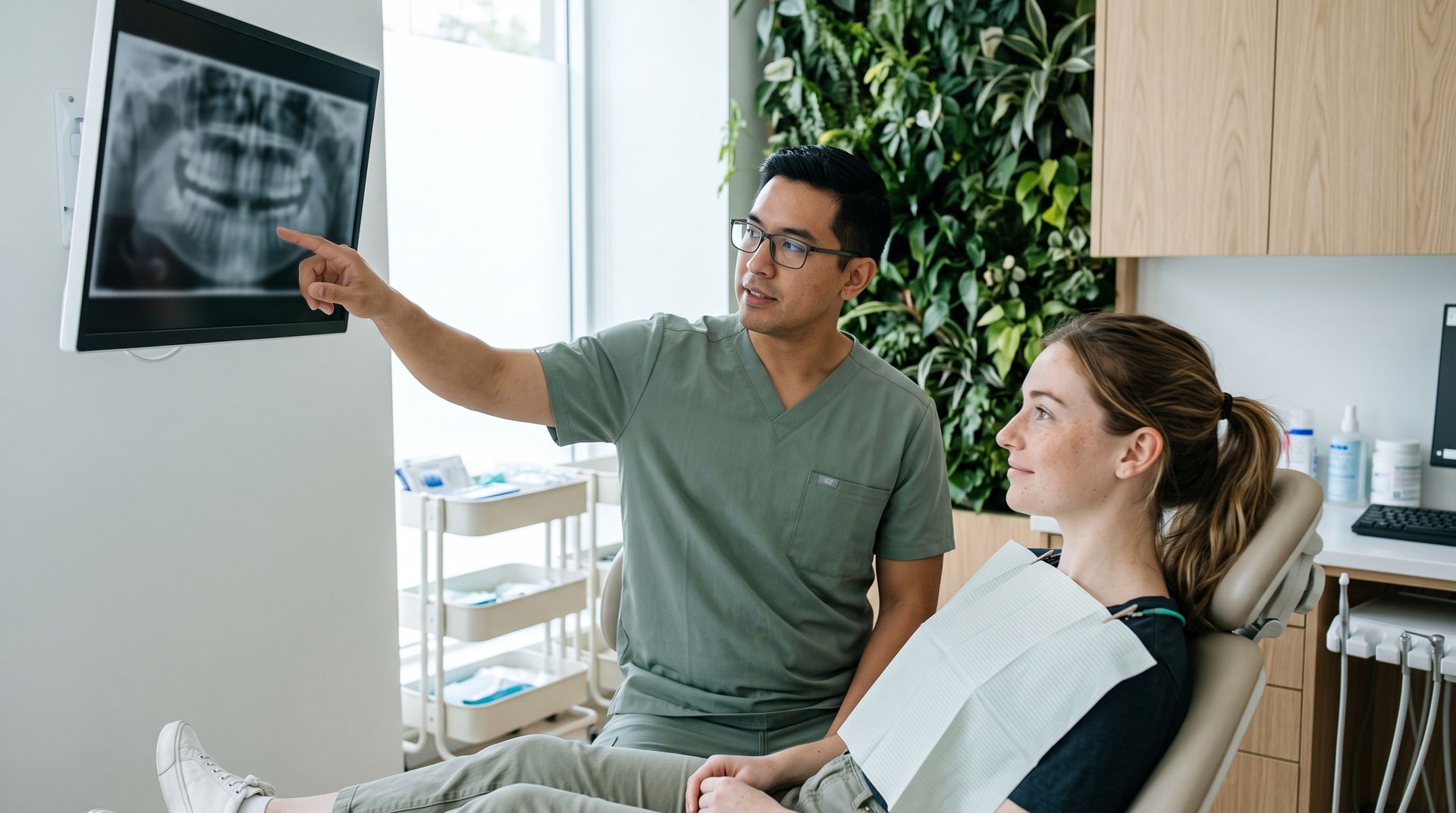
Imaging may be used to see what is happening beneath the surface, such as the tooth root, bone, or signs of infection. This helps your dentist recommend the most appropriate treatment.
Treatment options and follow-up care
You will receive a clear explanation of your options and a plan for next steps. Depending on your situation, care may involve general dentistry, oral surgery, implants, or restorative and cosmetic repair. Every case is different, so outcomes, timing, and costs are discussed individually.
Why Midway Premier Dental Is a One-of-One Practice in Sanford
Proprietary technology you will not find elsewhere
Midway Premier Dental is a one-of-one clinic. The practice has proprietary machines and equipment in the clinic that no other practice has. It is part of what sets the experience apart for patients in Sanford.
Premier care with comfort at the center
Premier care means your comfort comes first, from the moment you call to the moment you leave. Our services include general dentistry, implants, cosmetic dentistry, oral surgery, orthodontics, and preventative care. Learn more at midwaypremierdental.com.

How to Prevent Dental Emergencies
Regular checkups and preventative care
Routine exams and cleanings catch small problems before they become painful emergencies. Addressing a minor cavity or worn filling early is far easier than treating an infection later.
Mouthguards for sports and night grinding
A mouthguard cushions teeth during sports and protects them from nighttime grinding. If you wake with jaw soreness or notice worn teeth, ask your dentist about options.
Everyday habits that protect your teeth
- Do not chew ice, pens, or other hard objects.
- Never use your teeth as tools to open packages or bottles.
- Brush twice a day and floss daily.
- Do not ignore small aches or chips.
The best time to see a dentist is before something hurts. Book a preventative appointment online or call 407-604-4884.
For more general oral health guidance, visit the American Dental Association.
Frequently asked questions
What counts as a dental emergency?
A dental emergency includes a knocked-out tooth, severe uncontrolled pain, facial swelling, uncontrolled bleeding, or an abscess with fever. Minor chips, lost fillings, or mild sensitivity are urgent but usually less critical. If you are unsure, call the office.
How do I find an emergency dentist in Sanford, FL?
Look for a practice you can call directly and that can talk you through your symptoms. You can reach Midway Premier Dental at 407-604-4884 or book online at midwaypremierdental.com. Calling ahead helps the team prepare for your visit.
What should I do if my tooth gets knocked out?
Handle the tooth by the crown only, rinse it gently without scrubbing, and try placing it back in the socket. If that is not possible, store it in milk. Get to a dentist as quickly as you can.
Can a toothache wait until the next day?
Mild discomfort may be able to wait briefly, but severe pain, swelling, or fever should be seen right away. Even if pain fades, the underlying cause may still be there. When in doubt, call for guidance.
Should I go to the ER or a dentist for a dental emergency?
Go to the ER or call 911 for trouble breathing or swallowing, swelling of the face or neck, heavy bleeding that will not stop, a suspected broken jaw, or a significant head injury. For most other dental emergencies, a dentist is the right call. Follow up with your dentist after any ER visit.
Dental emergencies are stressful, but you do not have to face them alone.
Book your appointment online
or call 407-604-4884 to experience premier care and comfort at Midway Premier Dental.